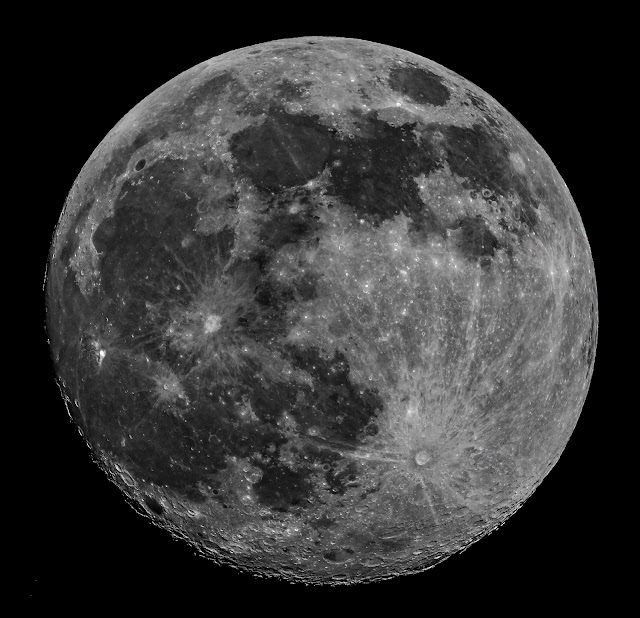
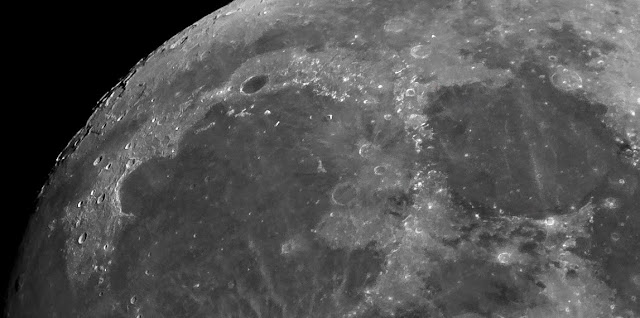
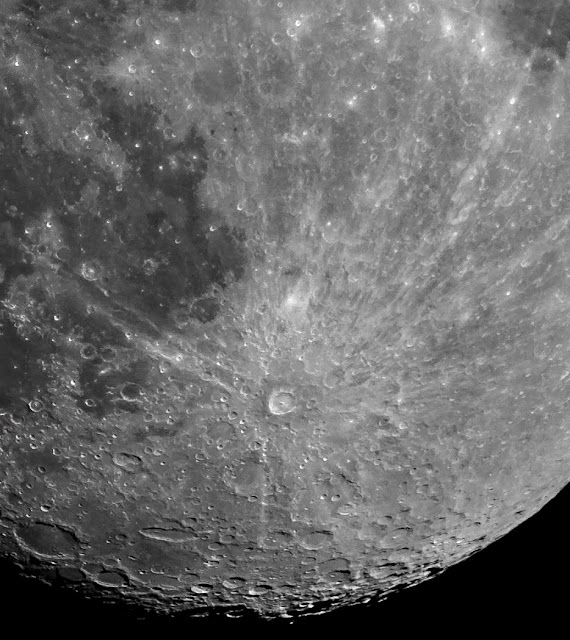
Super Flower Blood Moon (26/5/21)
This is the second and last of 2021’s two 'Supermoons' and it's also known as the 'Flower Moon' as it appears at the time that many flowers start to blossom.
A supermoon happens when a full moon occurs at the same time, or close to the time, that the moon reaches its closest point to the Earth – a point called perigee.
As well as being a supermoon, the moon also experienced a lunar eclipse (although not visible in the UK) giving it a reddish tinge and turning it into a so-called ‘Blood Moon’.

A lunar eclipse happens when the moon’s orbit moves in front of the Earth’s shadow, preventing the sun’s light from reaching it – instead, light from the Earth’s sunrises and sunsets illuminates the moon, giving it its ‘blood’ red appearance.
The hue and depth of the red colour is dependent on a number of factors, like the amount of dust in the atmosphere at the time of the eclipse. If there is a particularly high amount of dust in the atmosphere, the higher frequency blue waves will be blocked, allowing through the lower frequency ‘red’ coloured light waves. So the super blood moon’s appearance can range from a deep, fiery red to its regular grey self.
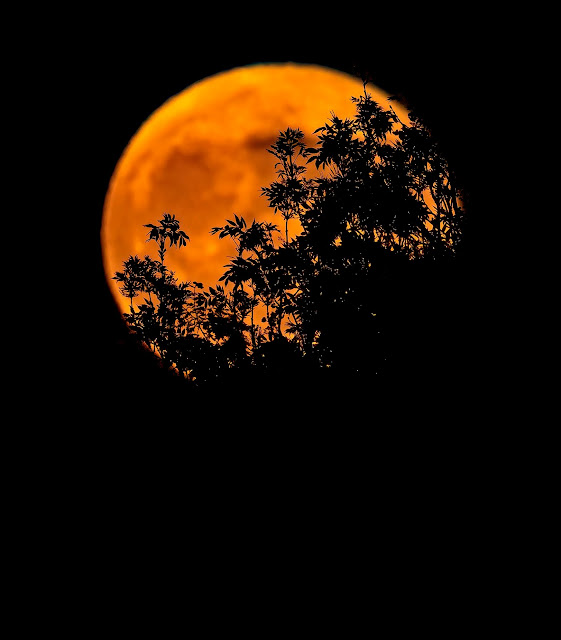
Supermoons appear to be bigger and brighter and this one will continue to look full to the naked eye for a couple of days on either side of May 26.